How To Make Your Pricing List As An Owner For An Office Fit Out Company
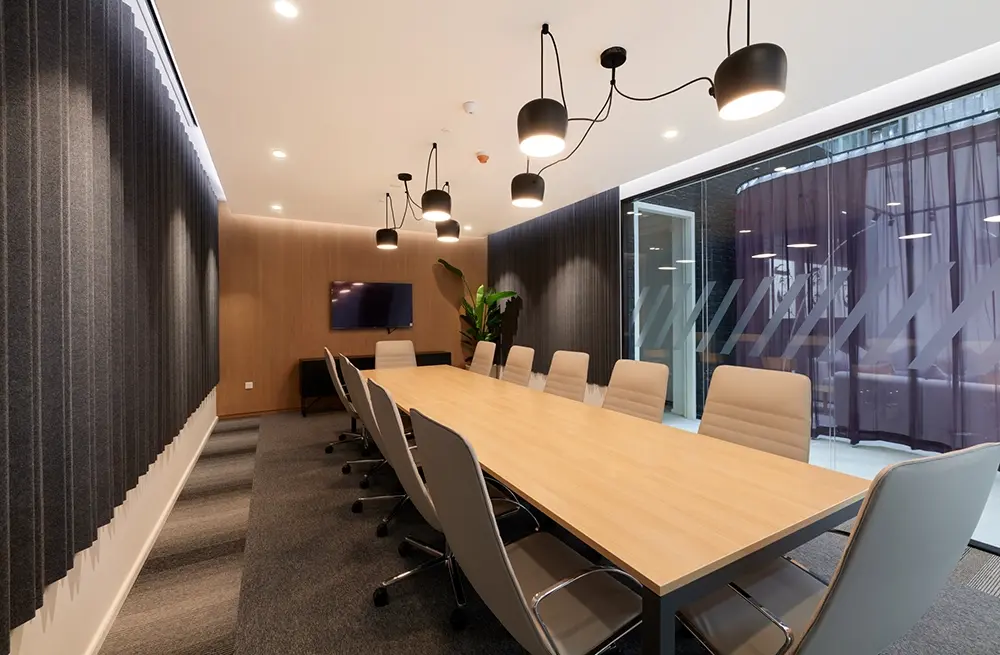
Pricing affects how clients view your work and how well your business runs. A clear list helps avoid confusion during each project. For a new office fit out company in Dubai, keeping prices simple and easy to update helps manage materials, labour, and other site tasks without too much back-and-forth.
List main work areas first:
Start by listing each type of work your company takes on. Break this into simple parts such as partitions, ceiling work, flooring, and lighting, paint, or furniture fittings. Place these in separate rows. This way, a client can see what tasks are covered and what each part costs.
Use fixed rates for standard work:
For standard tasks such as tiling, basic partitions, or painting, use fixed rates based on size (like per square foot or square metre). These rates can be printed and shown early in the project talk. Keep these fixed rates visible in a simple sheet or printed card.
Keep separate lines for custom work:
Some parts of a project may not follow fixed units. For such parts like made-to-fit desks, feature walls, or special fittings use a line that says “custom quote.” This gives room to check the design and then provide a rate. Keep this flexible so it can match different sites.
Mention material type and labour clearly:
Each line of the pricing list should say what is included. For example, state if the cost includes material, labour, or just labour. If a client provides the material, keep a line that shows only the fitting charge. This helps avoid later questions.
Adjust rates by work size:
Small projects sometimes cost more per unit than bigger ones. Add a note for “minimum charge” if necessary. For bigger sites, a “bulk rate” line can be added once the project details are shared. This keeps the list useful for both small and large jobs.
Include tax and transport lines:
Do not forget to add a line at the end of the pricing sheet for tax and transport. These can be written as “on actuals” or a fixed percentage. Keep these at the end so that they are seen clearly and not mixed in with labour or material lines.