The Joy of Group Learning in Nursery Classrooms
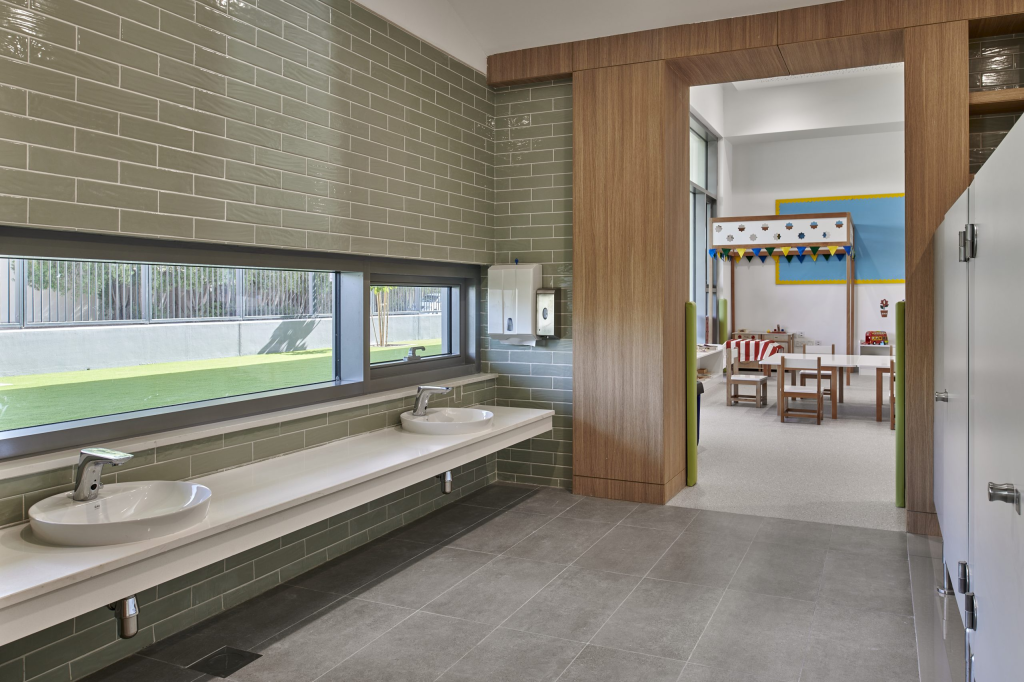
Group learning plays a pivotal role in early childhood education, particularly in nursery settings where children begin developing essential social and cognitive skills. Nurseries offer a structured yet nurturing environment where young learners can interact with peers and explore the joy of collaboration. This approach enhances their learning experience and lays the foundation for essential life skills.
Promoting Social Interaction
One of the greatest benefits of group learning in classrooms of a nursery in the Greens is the opportunity it provides for social interaction. Through group activities such as storytelling, art projects, or interactive play, children learn to communicate, share, and collaborate effectively. These experiences help them develop empathy and build positive relationships with their peers. Social connections play a critical role in creating a sense of belonging and fostering self-confidence in young learners.
Encouraging Teamwork and Cooperation
Teamwork is an essential skill that children begin to develop in a nursery setting. Group learning activities teach children the importance of listening to others’ ideas, taking turns, and working together toward a common goal. For instance, assembling a puzzle as a team helps highlight each child’s unique contribution, emphasizing the value of cooperation. These experiences prepare them for future group dynamics in school and beyond.
Enhancing Communication Skills
Nursery group learning also helps strengthen verbal and non-verbal communication skills. Participating in group discussions or presenting simple ideas during class improves language development. Similarly, observing peers and understanding social cues promote non-verbal forms of communication like gestures and facial expressions. These skills are essential for effective interaction and understanding in diverse environments.
Encouraging Diversity and Inclusion
Group learning exposes nursery students to diverse perspectives and experiences, teaching them to appreciate different viewpoints. Activities involving children from various cultural backgrounds enable them to learn about diversity and practice inclusivity from an early age. This fosters an environment of mutual respect and understanding, which is vital for success in today’s interconnected world.
Fostering Independent and Critical Thinking
While group learning emphasizes collaboration, it also encourages children to think independently. They learn to express their thoughts, make choices, and solve problems within a group context. Activities like brainstorming solutions during storytime or deciding roles during a group play session challenge their critical thinking abilities, setting the stage for intellectual growth.