What Is Included In A Full Health Check-Up?
Regular health check-ups are part of general self-care. They give a clear picture of how the body is working and show early signs of any concerns. These check-ups are based on age, lifestyle, and medical history, but some tests and assessments are often included as standard parts of the process.
Physical examination:
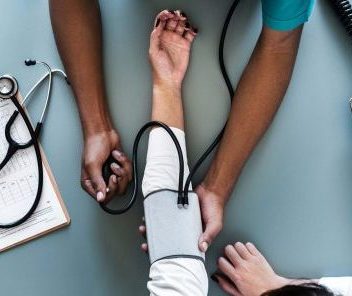
A full health check up Dubai usually starts with a physical examination. This includes measuring height, weight, and body mass index (BMI) to assess general health. Blood pressure is checked to identify any signs of high or low levels. Doctors may also examine the heart, lungs, abdomen, and other parts of the body to detect any unusual signs.
Blood tests:
Blood tests are a common part of a full health check-up. These tests examine several components such as blood sugar levels, cholesterol, and red and white blood cells. Blood tests also check liver and kidney function, which indicates how well these organs are working. The results provide information about possible infections, anemia, or other medical issues.
Urine analysis:
A urine test is often included in the check-up. It helps identify infections, kidney problems, or diabetes by detecting substances like sugar, protein, or blood in the urine. This test is simple but provides useful information about overall health.
Heart health tests:
Some check-ups include tests that focus on the heart. These may involve an electrocardiogram (ECG) to record the heart’s electrical activity and identify irregularities. In some cases, doctors might recommend an exercise stress test to check how the heart performs during physical activity.
Lung function test:
Lung function tests measure how well the lungs work. These tests assess the amount of air a person can inhale and exhale and how quickly. It is useful to detect conditions such as asthma or chronic obstructive pulmonary disease (COPD).
Vision and hearing tests:
Vision and hearing tests may be part of a full check-up. These tests check for any loss or changes in sight or hearing, which often happen gradually. Detecting problems early can lead to timely treatment or correction.
Screening for specific conditions:
Depending on age, gender, and medical history, additional screenings may be done. This might include tests for diabetes, thyroid function, or cancer screenings like mammograms or prostate exams. These screenings aim to detect any early signs of illness.